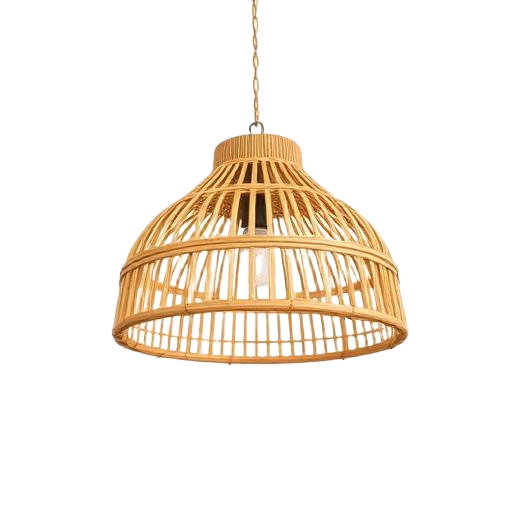
 JAPANDIWOVEN
Guangxi Weaving Culture and Its Place in the Modern Japandi Home
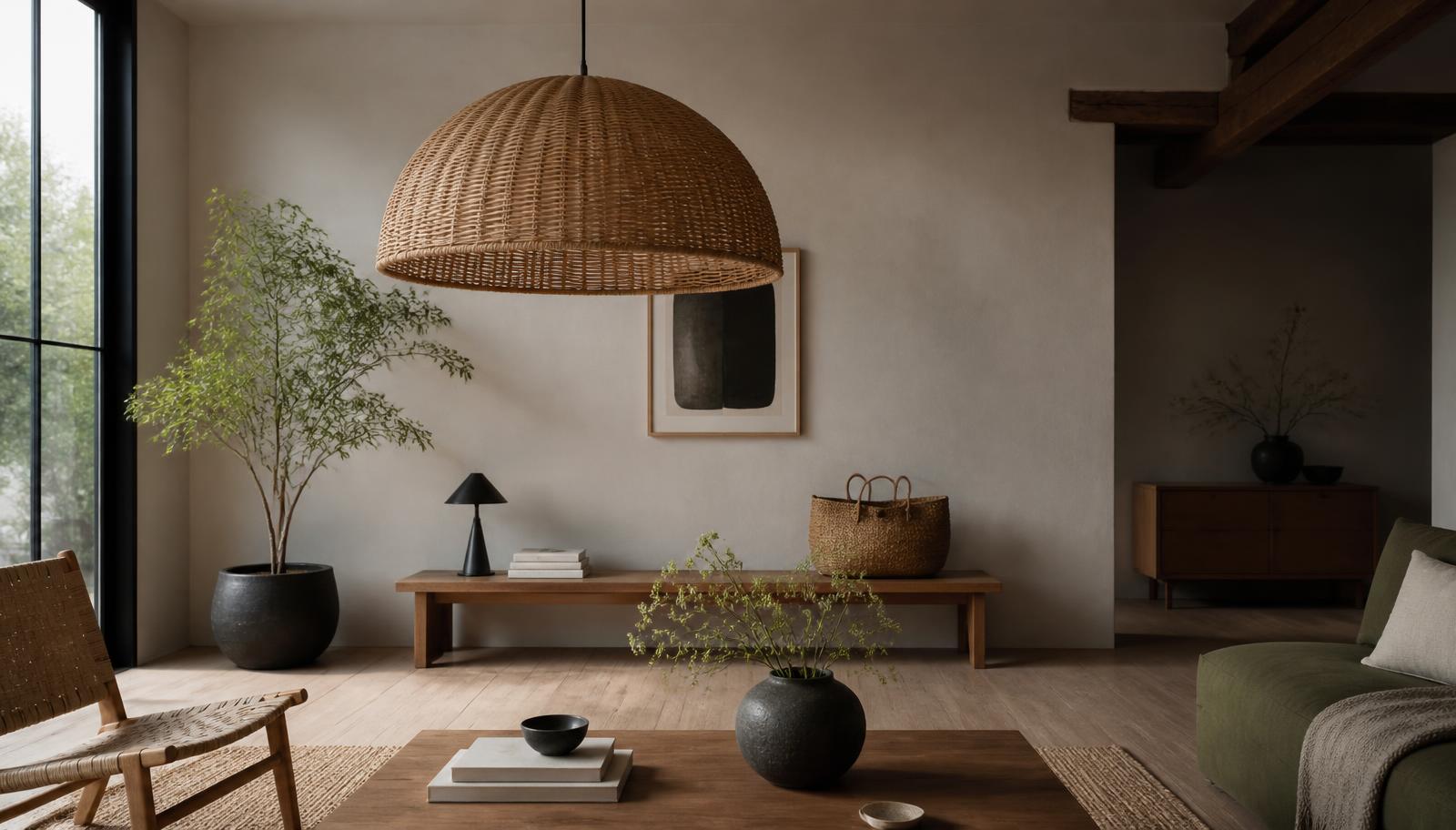
Weaving in Guangxi predates the market that now exports it by roughly a thousand years. Zhuang and Hakka households wove rice baskets, fish traps, cradles and steamers because the material grew at the edge of the field. The patterns that read as "design" in a Copenhagen apartment today were once solutions to storage, drainage and ventilation.
Craft as inherited language
Weave patterns travel through families, not schools. A hexagonal open weave for airflow, a tight twill for grain, a doubled rim for a basket meant to be carried on a shoulder pole — each is a piece of practical knowledge passed hand to hand. Older weavers can often identify the village a piece came from by the way its rim is locked.
Why Japandi found rattan
Japandi pairs Japanese restraint with Scandinavian warmth, and it needs materials that are quiet but not cold. Rattan does three things at once in that palette:
- Softens hard geometry. A woven shade breaks up the straight lines of modern architecture.
- Adds texture without colour. It reads neutral, so it never fights a beige-and-moss scheme.
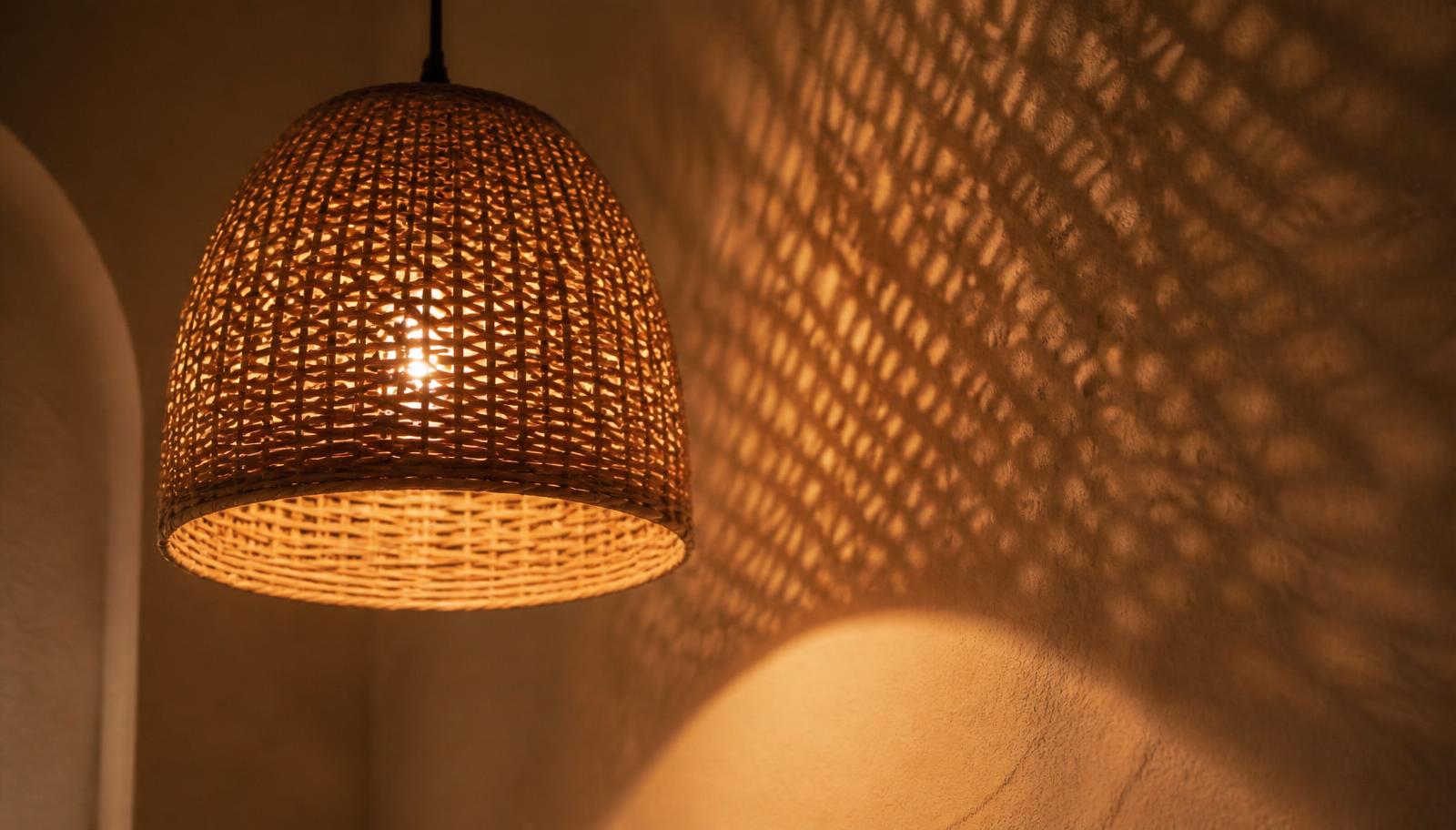
- Filters light. An open weave turns a bare bulb into patterned shadow — the closest thing to a shoji screen in a lamp.
Wabi-sabi, honestly
Wabi-sabi gets used loosely in home decor. In woven work it has a literal meaning: strand tone varies with where the cane grew, weave tension varies with the weaver's hand, and both change with age as rattan deepens toward honey. A piece that looks identical to the next one probably was not made by a person.
Styling Guangxi weaving in a contemporary home
Living room
Hang one oversized rattan pendant as the single sculptural element and keep everything below it flat and plain. Add one large woven storage basket beside the sofa for throws.
Bedroom
Use small woven trays and lidded baskets on the nightstand. Keep the weave fine here — coarse weaves read rustic rather than calm.
Kitchen and dining
Open-weave fruit baskets and bread trays put the ventilation logic of the original craft back to work.
Outdoors and balcony
Wicker planters in a matched tone group better than mixed pots. Bring them under cover in sustained rain.
Buying in a way that keeps the craft alive
Hand weaving survives where weavers earn a fair per-piece rate and young people see a future in it. Buying fewer, better pieces — and buying from makers who name their region — does more for that than any label.
The most modern thing about a handwoven object is that a person still had to make it.
FAQ
What is Guangxi weaving culture?
It is a centuries-old folk craft tradition in southern China, especially among Zhuang and Hakka communities, of weaving rattan, bamboo and seagrass into household objects, with patterns passed down through families.
Why is rattan used so often in Japandi interiors?
Rattan adds warm natural texture without adding colour, softens hard architectural lines, and filters light through its open weave — all of which suit the restrained Japandi palette.
Does handwoven rattan suit a minimalist home?
Yes. One or two woven pieces — a pendant light, a large storage basket — add tactile warmth to a minimal room without visual clutter.
How is rattan connected to wabi-sabi?
Natural tone variation, slight weave irregularity and the way rattan ages toward a deeper honey colour are all expressions of the wabi-sabi appreciation for imperfect, changing materials.
How can buyers support traditional weaving communities?
Buy fewer, better pieces from sellers who identify the making region and pay weavers a fair per-piece rate, so the craft remains viable for the next generation.