 JAPANDIWOVEN
Japandi Home Decor Style Essentials
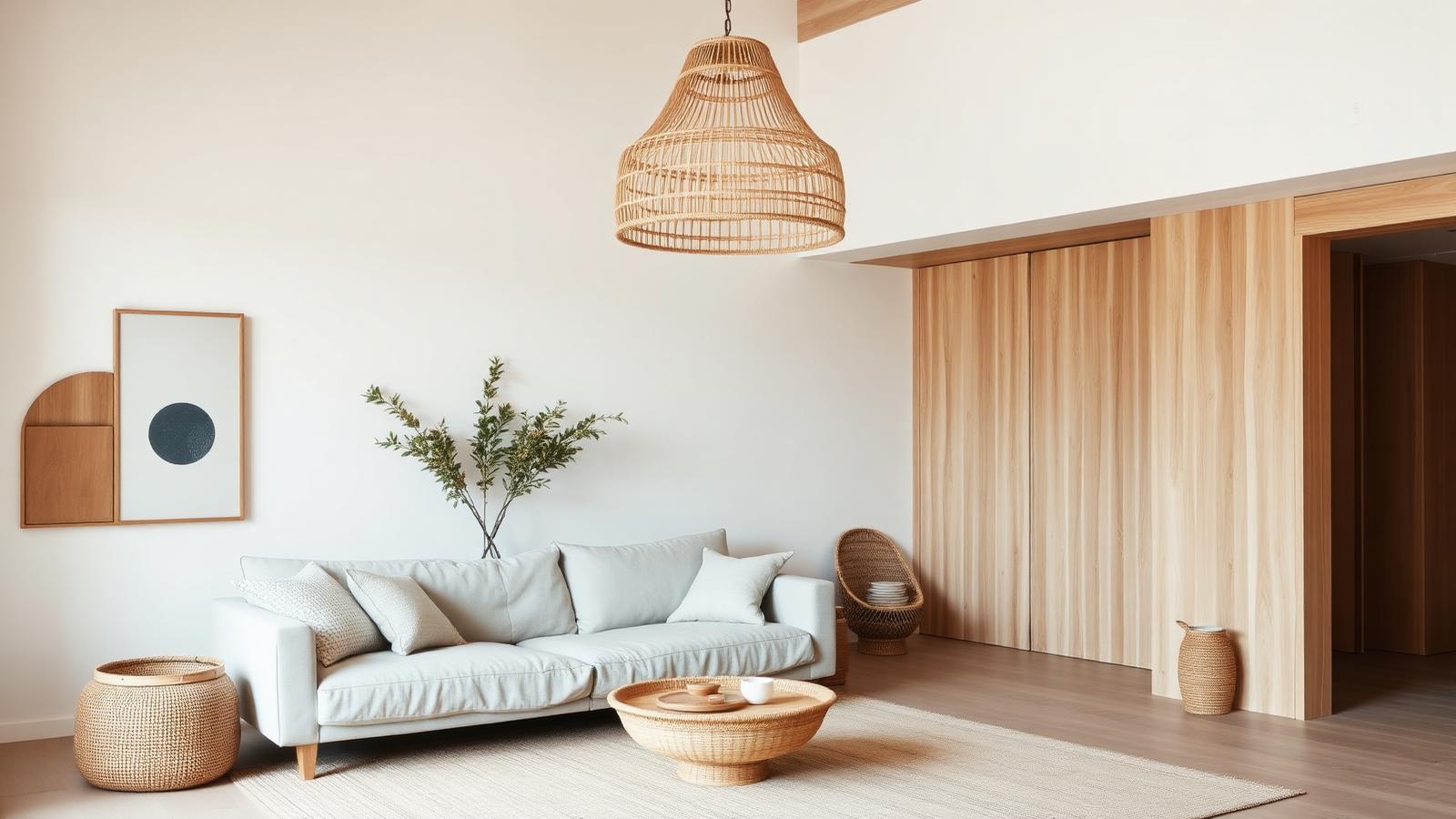
Japandi is what happens when Japanese wabi-sabi meets Scandinavian functionalism: quiet palettes, honest materials, and only the objects that earn their place. It is not minimalism for its own sake — it is warmth with the noise removed.
Hand-woven bamboo and rattan sit exactly at that intersection. They are natural, tactile, imperfect by hand, and useful.
The five essentials
1. A restrained palette. Warm off-white, oat, clay, soft charcoal, and a single grounded green. Three to four tones across a room, no more.
2. Natural materials with visible texture. Wood, linen, paper, stoneware, bamboo, rattan. Texture replaces pattern.
3. Negative space. Empty surface is a design element. Leave at least a third of every shelf and tabletop clear.
4. Wabi-sabi imperfection. A slightly irregular weave or an uneven glaze reads as human. Perfectly uniform objects read as factory.
5. Function first. Every object should do something — hold, light, cover, carry.
Room by room
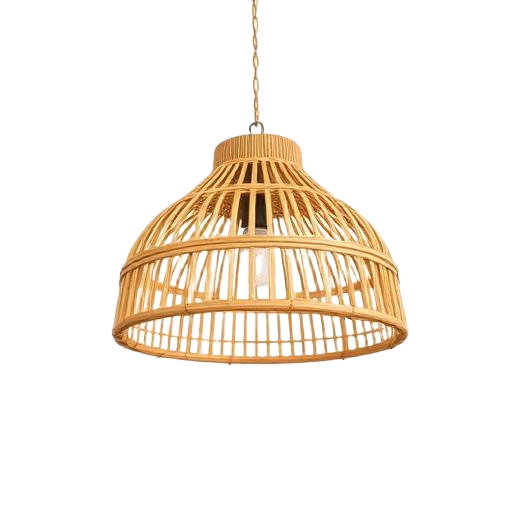
Living room. One rattan pendant over the seating area gives you a soft, patterned light without adding visual weight. A large lidded basket beside the sofa handles blankets. Keep the coffee table to three objects: a tray, a vessel, and something living.
Kitchen. Bamboo trays and shallow baskets turn open shelving into organised storage. Use woven bread baskets and fruit bowls rather than plastic — they breathe, so produce lasts longer.
Bathroom. Woven amenity baskets, a rolled-towel basket, and a small tray for daily items. Choose tight weaves for humid rooms and keep pieces off the shower floor.
Bedroom. A low woven basket at the foot of the bed, a rattan lampshade on the bedside, and a linen runner. Warm, dim, uncluttered.
Layering, in practice
- Mix weave scales: one coarse, one fine, one smooth surface in the same view.
- Repeat one material three times across a room to tie it together.
- Keep metal to a single finish — usually matte black or aged brass.
- Let light do the work: sheer curtains, warm 2700K bulbs, no overhead glare.
Common mistakes
- Buying an entire matching set — Japandi is layered, not matched.
- Filling the space you just cleared.
- Cool grey instead of warm neutral. Grey reads Scandinavian-only and goes flat.
- Too many small objects. One larger piece beats five trinkets.
Where our pieces fit
Everything we make is hand-woven in Guangxi, China, from natural bamboo and rattan, plant-dyed and fully biodegradable. Each piece takes 8–12 hours to weave by hand, which is why no two are identical — and why they sit so comfortably in a wabi-sabi interior.
Start with one useful object per room. Live with it. Add the next only when you know what is missing.